FCRR's Summit on Artificial Intelligence and the Reading System (AIRS)
Two days on how AI is reshaping evidence, practice, and theory in the science of reading.
The Florida Center for Reading Research will host a two-day summit on artificial intelligence and the reading system - from learning to education to policy and beyond. FCRR AIRS brings together leading experts to discuss how AI is changing:
- EMPIRICISM: what we count as evidence,
- ETHICS: the principles that should govern design and use, and
- ENGINEERING: the approaches needed to build tools and learning environments that are effective, equitable, and scalable.
Each theme will be anchored by session speakers, followed by facilitated breakout discussions connecting the theme to three strands central to reading science: TOOLS, TRANSLATION, and TEACHING + LEARNING.
EMPIRICISM Session Speakers
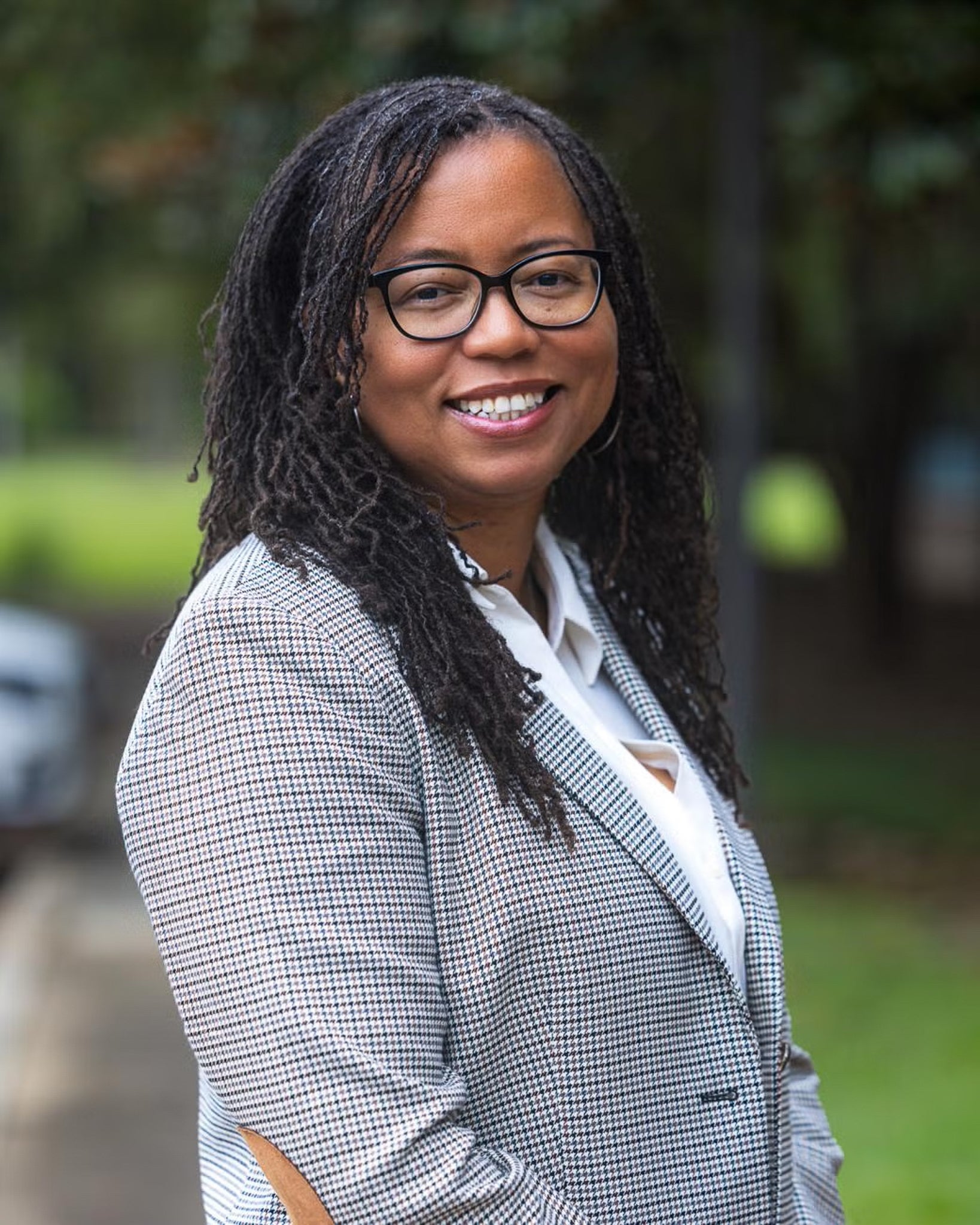
Nicole Patton Terry, Ph.D.
FCRR Core Faculty
Nicole Patton Terry, Ph.D. is the Olive & Manuel Bordas Professor in the School of Teacher Education and Director of the Florida Center for Reading Research at Florida State University. Her research, innovation, and engagement activities concern young learners who are vulnerable to experiencing difficulty with language and literacy achievement. She is the founding director of The Urban Child Study Center and The Village, where researchers collaborate with school and community partners to promote student success.
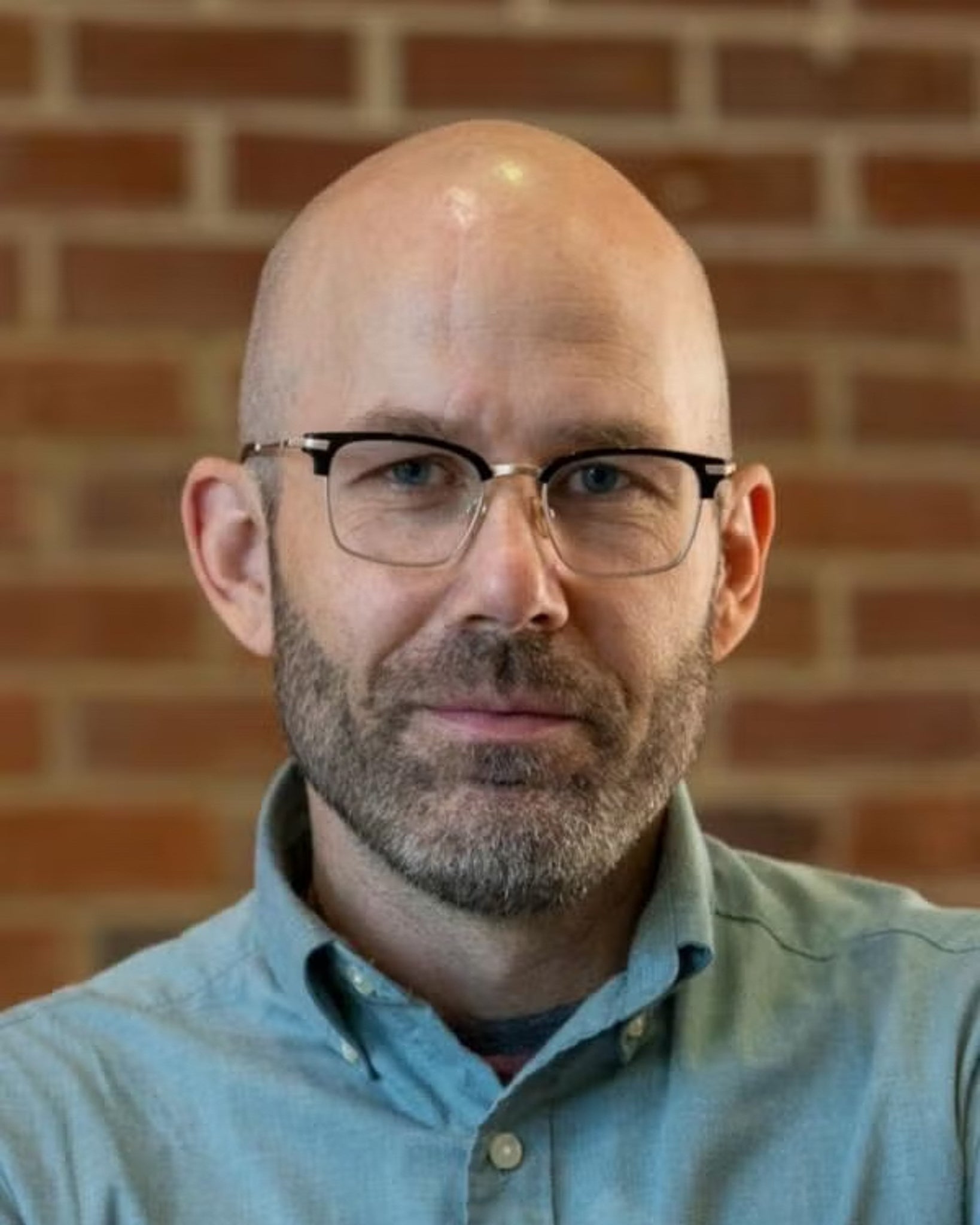
Matt Cooper Borkenhagen, Ph.D.
FCRR Core Faculty
Matt Cooper Borkenhagen is an Assistant Professor in the School of Teacher Education in the College of Education, Health, and Human Sciences and Core Faculty at the Florida Center for Reading Research. Matt's research is on the learning mechanisms that underlie reading development and how aspects of the language (including print) environment can serve to accelerate development. He uses a variety of methods but primarily uses computational models of learning as the core of his research program.
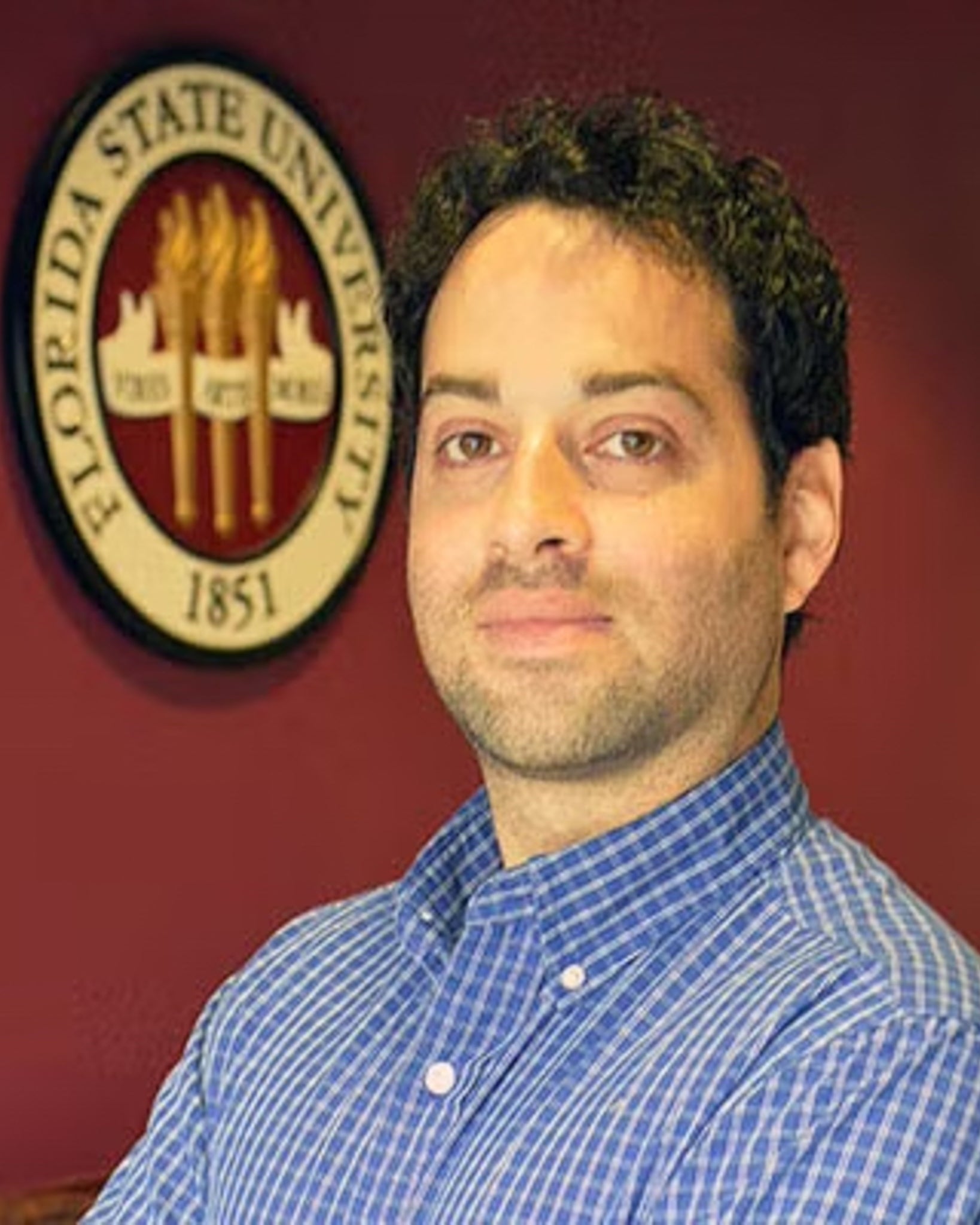
Yaacov Petscher, Ph.D.
FCRR Core Faculty
Dr. Yaacov Petscher is a Professor of Social Work at Florida State University, an Associate Director of the Florida Center for Reading Research, and the Director the Quantitative Methodology and Innovation Division at FCRR. Yaacov’s work is focused on measurement, causal modeling, the study of individual differences in reading using complex methodologies, and the development of screening assessments and computer adaptive tests.
ETHICS Session Speaker
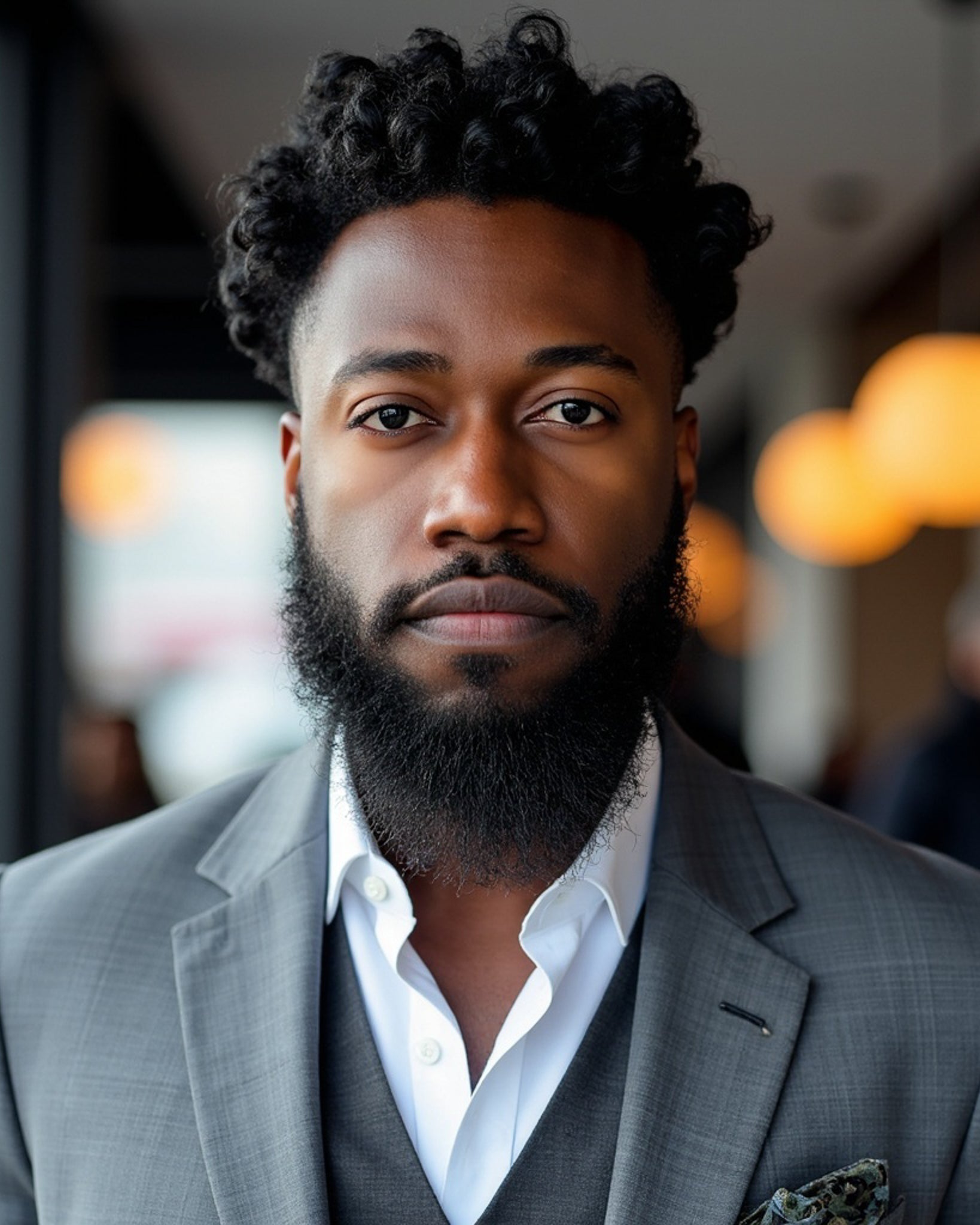
Zachary Collier, Ph.D.
University of Connecticut
Zachary K. Collier is an Assistant Professor in Educational Psychology at UConn’s Neag School of Education, with a focus in research methods, measurement, and evaluation. His research integrates educational measurement, data science, causal machine learning, and structural equation modeling, with particular attention to fairness, data ethics, and justice-centered approaches through Critical Structural Equation Modeling, a framework that he developed to reimagine traditional modeling techniques through the lenses of social and structural inequality.
ENGINEERING Session Speaker
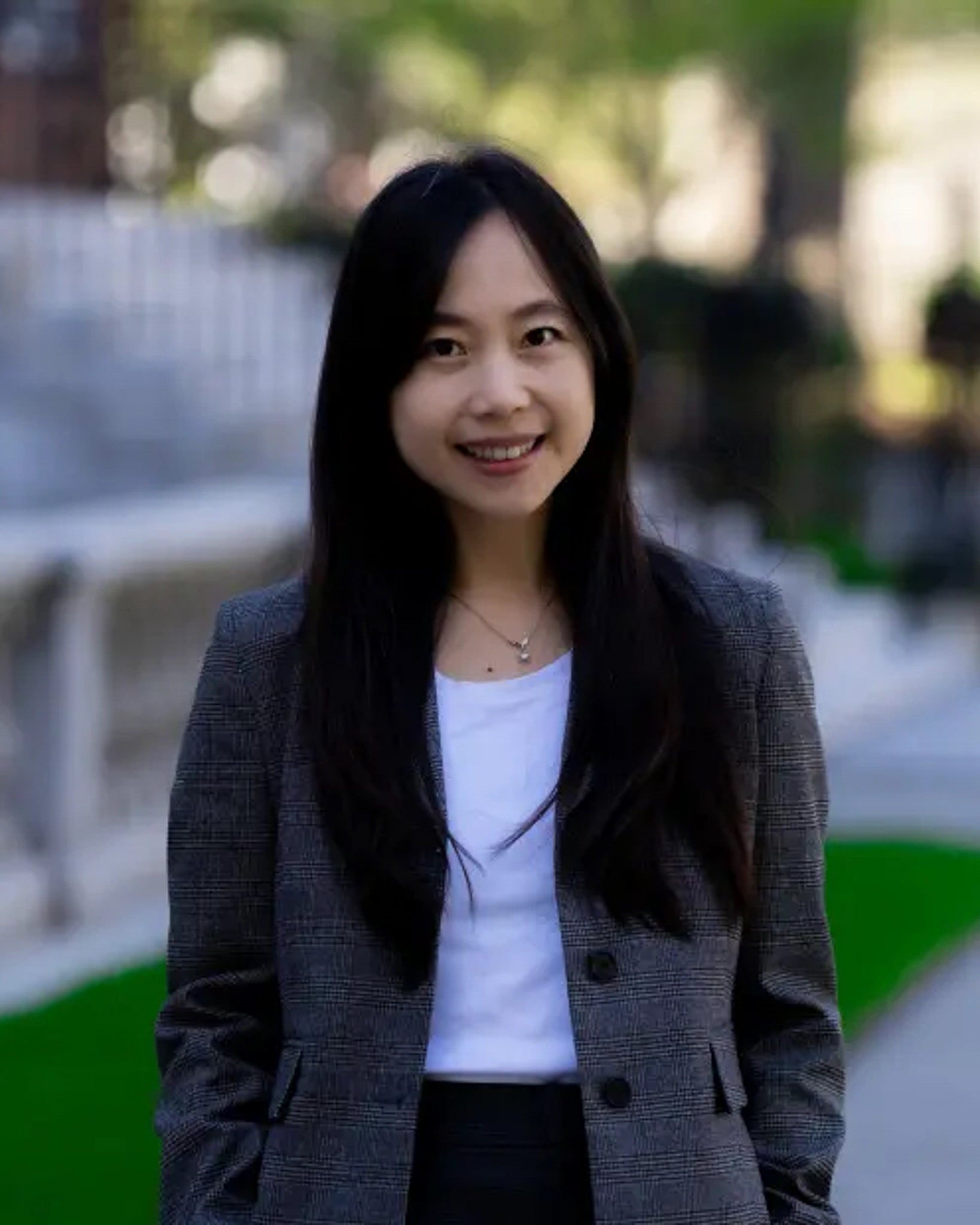
Ying Xu, Ph.D.
Harvard University
Ying Xu is an Assistant Professor of Education at the Harvard Graduate School of Education. Her research designs and studies AI technologies that support children’s language and literacy development, STEM learning, and child and family wellbeing and engagement, including conversational AI systems that can serve as learning companions and language partners.
Breakout Session Speakers
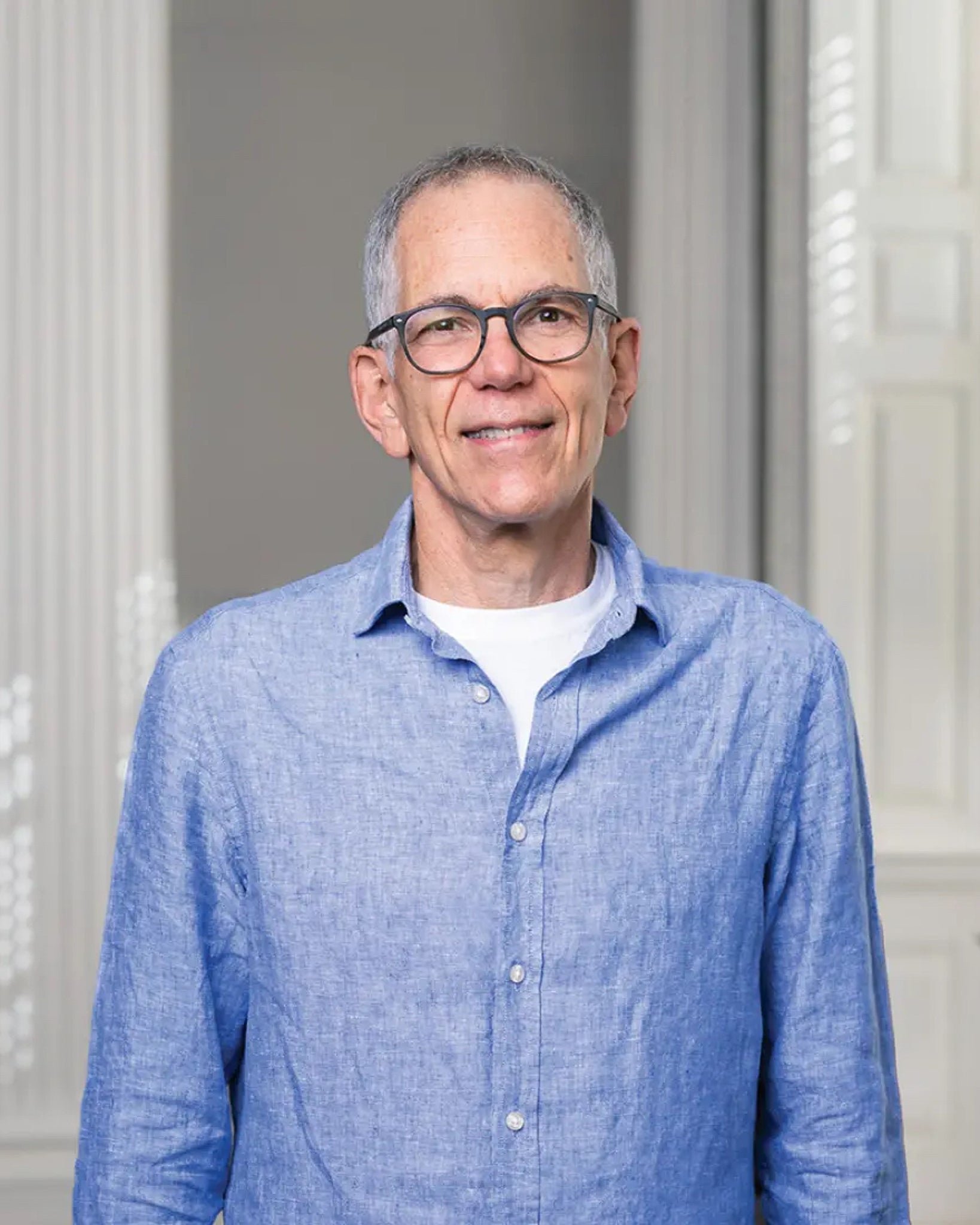
David Dockterman, Ph.D.
Harvard University
David Dockterman is a Lecturer on Education at the Harvard Graduate School of Education whose work sits at the intersection of research, instructional design, educational technology, and scalable educational practice. He co-founded Tom Snyder Productions in 1982, later designed award-winning educational software at Tom Snyder, Scholastic, and HMH, and continues to consult on translating evidence into effective learning products and practices.
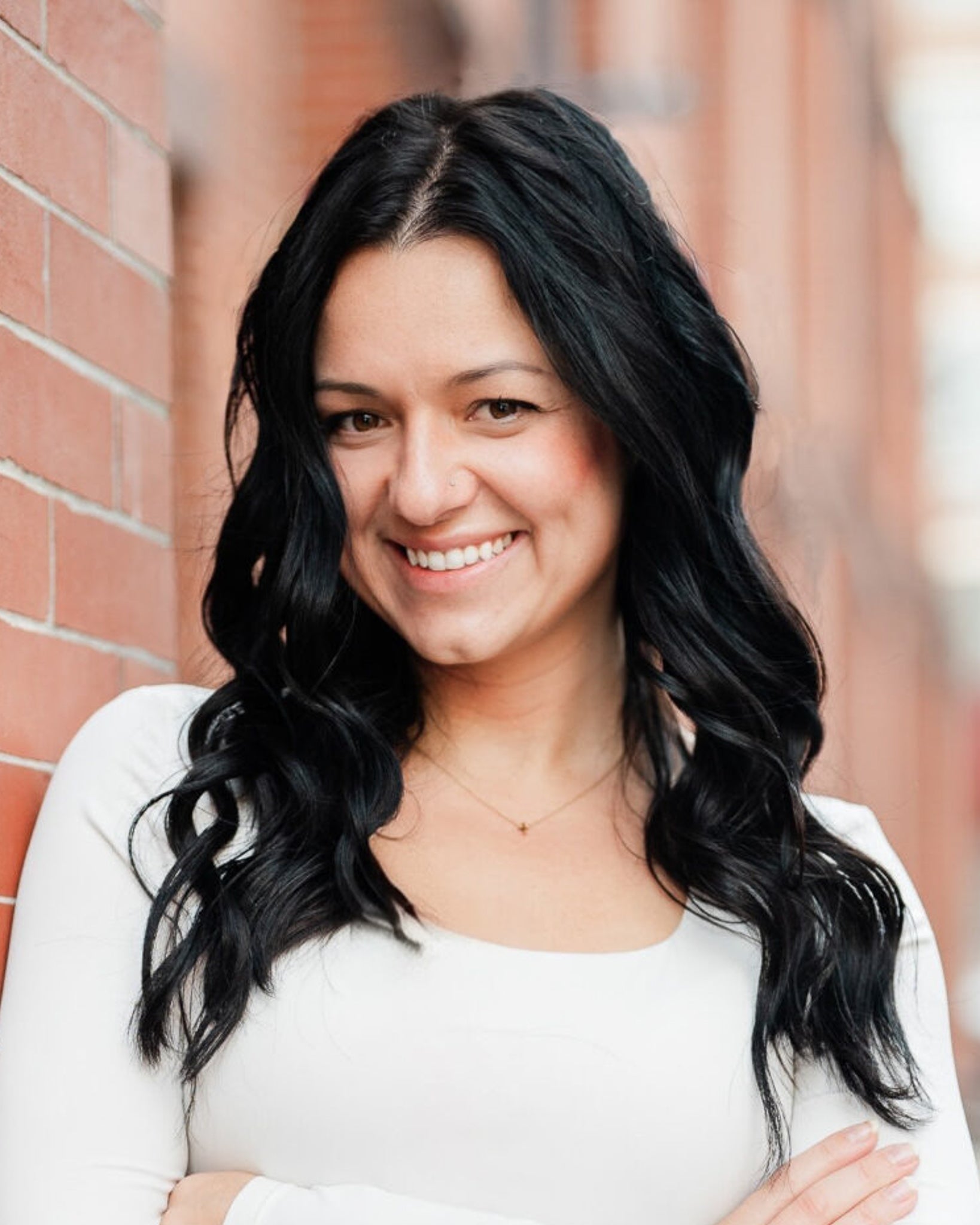
Megan Gierka, Ed.D.
Middle Tennessee State University
Megan Gierka, Ed.D., is a Research Affiliate with the Tennessee Center for the Study and Treatment of Dyslexia at Middle Tennessee State University specializing in literacy education and implementation science. Her work focuses on translating reading research into scalable practice for schools, districts, and state agencies; her expertise has supported structured-literacy implementation and advised policymaking across multiple states. She also co-developed a supplemental phonics resource for early literacy instruction, the Animated Alphabet.
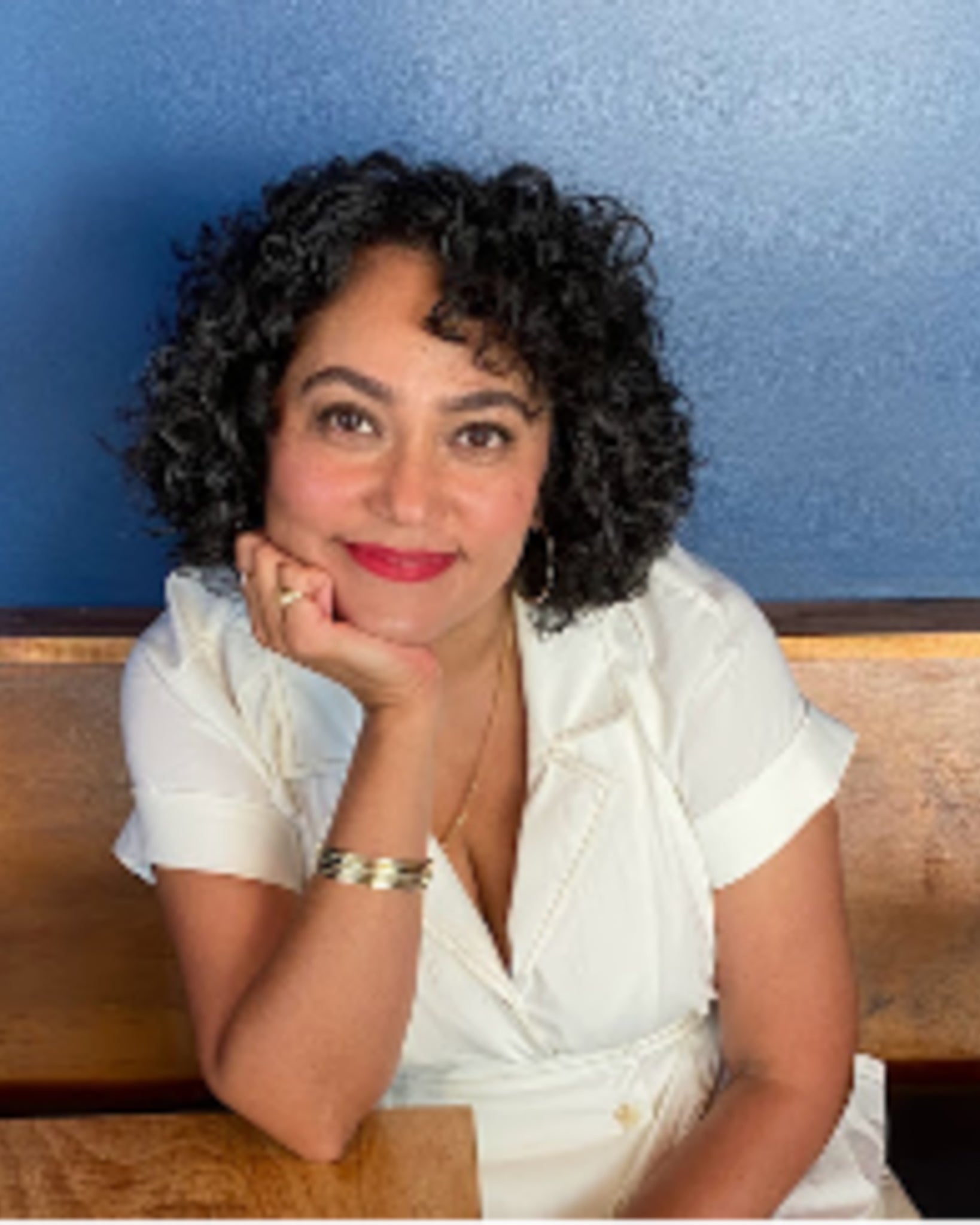
Gabriela López
Overflow Education Partners
Gabriela López is the founder of Overflow Education Partners, an advisory organization that supports philanthropic and nonprofit organizations on strategy, learning, and giving practices. She has also held education research and measurement leadership roles, including Senior Director/Director of Research to Practice at the Chan Zuckerberg Initiative, where her work focused on research-to-practice measures grounded in racial equity, justice, and the science of learning and human development.
Closing Session Speakers
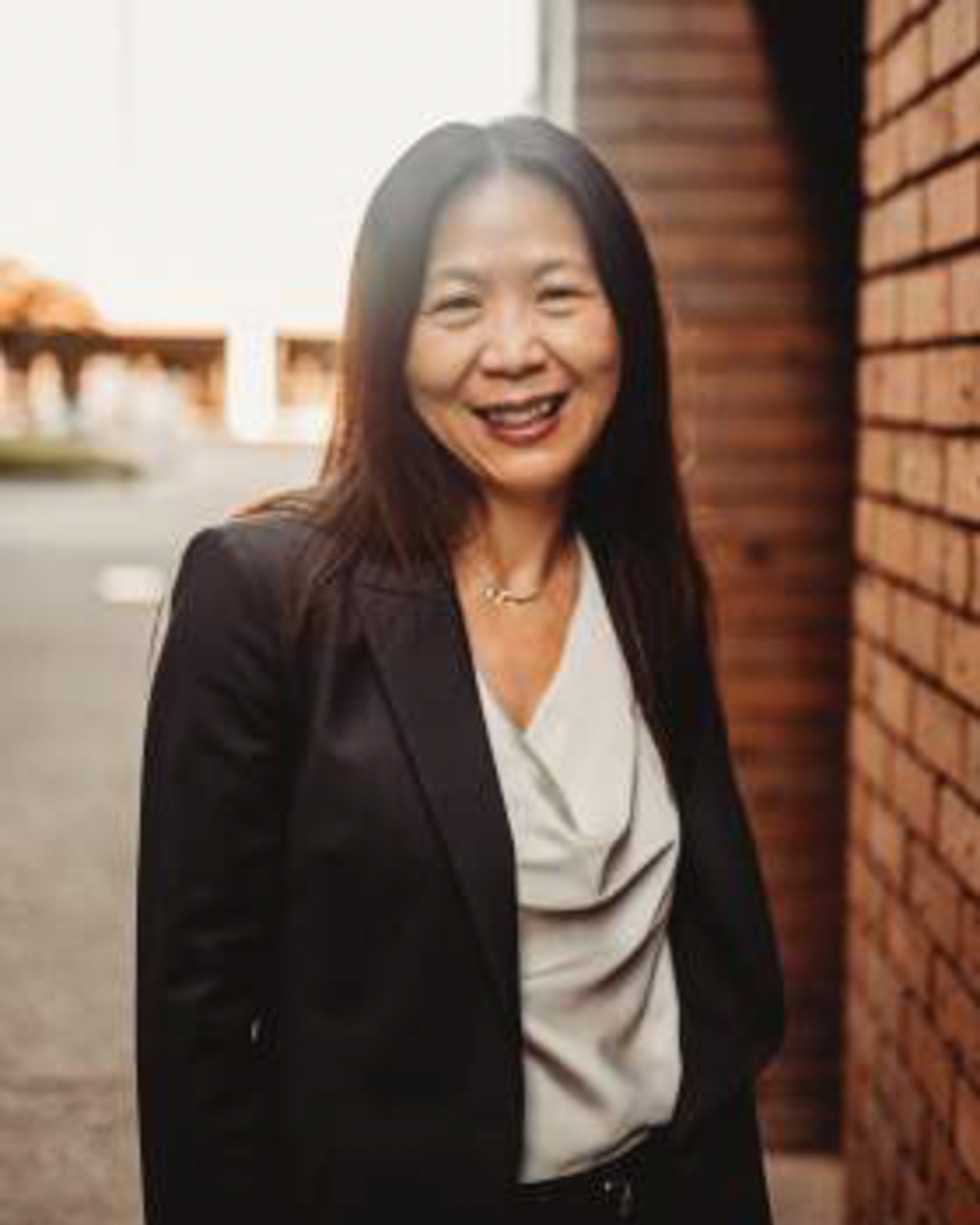
X. Christine Wang, Ph.D.
University at Buffalo, SUNY
X. Christine Wang is a professor of Learning and Instruction at the University at Buffalo, where she serves as Director of the Fisher-Price Endowed Early Childhood Research Center and Senior Associate Dean for Interdisciplinary Research. Her research focuses on technology and young children’s learning and development, including early literacy, computational thinking, and AI literacy, and AI in K-12 schools; she is also PI of the IES-funded Center for Early Literacy and Responsible AI and is the Broader Impacts Lead for the National AI Institute for Exceptional Education.
Danielle McNamara, Ph.D.
Arizona State University
Danielle S. McNamara is Executive Director of ASU’s Learning Engineering Institute, a Regents Professor in the Department of Psychology, and Director of the Science of Learning and Educational Technology Lab. Her work spans learning engineering, cognitive and learning sciences, comprehension, writing, natural language processing, and AI in education; her team has developed several intelligent tutoring systems including iSTART and Writing Pal.
9:00am
-
FCRR Core Faculty: Dr. Cooper Borkenhagen, Dr. Petscher, Dr. Patton Terry
SESSION 1: EMPIRICISM
10:00am
- FCRR Core Faculty
11:00am
-
TOOLS | Room #101
-
Megan Gierka (Middle Tennessee State)
-
-
TRANSLATION | Room #103
-
Gabriela López (Overflow Education Partners)
-
-
TEACHING + LEARNING | Room #128
-
David Dockterman (Harvard)
-
12:00pm
Lunch | Main Room #103
SESSION 2: ETHICS
1:00pm
-
Zachary Collier (UConn)
2:00pm
-
TOOLS | Room #101
-
Megan Gierka (Middle Tennessee State)
-
-
TRANSLATION | Room #103
-
Gabriela López (Overflow Education Partners)
-
-
TEACHING + LEARNING | Room #128
-
David Dockterman (Harvard)
-
3:00pm
-
X. Christine Wang (Buffalo)
4:00pm
Reception | {room #}
6:00pm
Dinner | {room #}
SESSION 3: ENGINEERING
9:00am
- Ying Xu (Harvard)
10:00am
-
TOOLS | Room #101
-
Megan Gierka (Middle Tennessee State)
-
-
TRANSLATION | Room #103
-
Gabriela López (Overflow Education Partners)
-
-
TEACHING + LEARNING | Room #128
-
David Dockterman (Harvard)
-
11:00am
-
Danielle McNamara (Arizona State)
12:00pm
Adjourn